The answer is different for each dog but in general cold weather should bring about extra caution in all dog owners. Here are some general guidelines to consider if you live in snowy & icy climates:
Jagged ice, frozen plant stems, and sidewalk salt are sharp and can cut your dog's footpads. Snow can also collect on the hair between the pads, sometimes forming icy balls that cause pain and injury. Trimming the long hair from the bottoms of the feet may help prevent this. Always check your dog's feet after he's been out in snow. Thoroughly wipe off your dog's legs and stomach when he comes in from out of the sleet, snow or ice.
He can ingest salt, antifreeze or other potentially dangerous chemicals while licking his paws. Avoid letting your dog off the leash on snow or ice, especially during a snowstorm, dogs can lose their scent and easily become lost. More dogs are lost during the winter than during any other season, so make sure yours always wears ID tags. Even in more moderate climate zones, keep the following in mind: Be particularly gentle with elderly and arthritic pets as cold weather can leave their joints extremely stiff and tender.
Stay directly below these pets when they are climbing stairs or jumping onto furniture and consider modifying their environment to make it easier for them to get around. Never leave your dog alone in a car during the winter. It can act as a refrigerator, holding in the cold and causing the animal to freeze to death. Keep in mind that a regular outside dog in cold weather will need a quarter to a third more food than he needs in warm weather in order to generate enough body heat.
Adjust their meals accordingly. Go ahead and put that sweater on Princess, if she'll put up with it. It will help a little, but where pets lose most of their body heat is from the pads of their feet, their ears, and their respiratory tract.
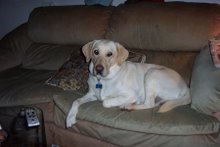
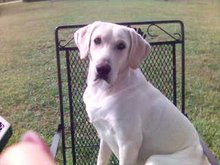
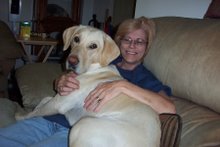
Kallee and Tamara
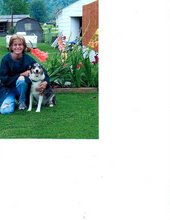
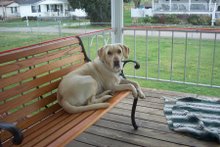
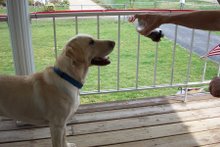
A Beautiful Summer Day.
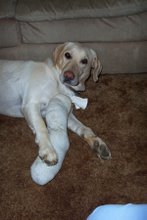
Madam Kallee, CTD, CGC - 1994-2005 - Certified Therapy Dog and a Canine Good Citizen
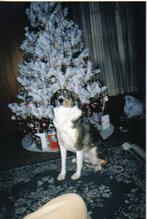
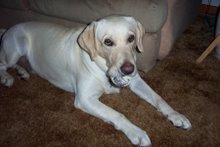
I am so pretty!
Kallee, T.D.I., CGC - Certified Therapy Dog and a Canine Good Citizen - 1994-2005

I loved to pose for the camera.
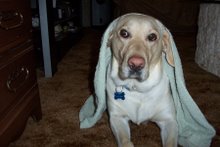
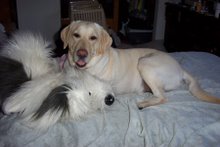
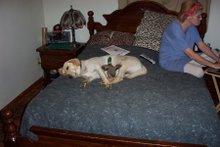
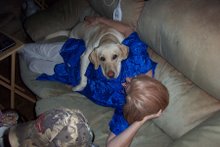
Hat Girl.

The things I do for my mom!
Happiness.

Bubby knows how to scratch a tummy.
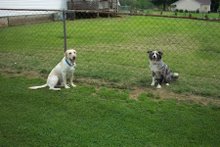
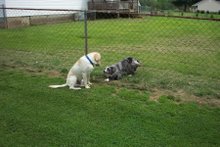
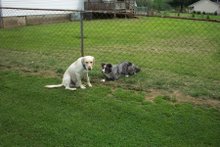
Best of Friends.

Mine! No, Mine!, No Mine!!!
Whew !

Bubby wears me out!
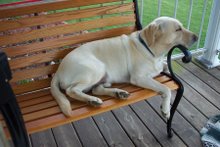
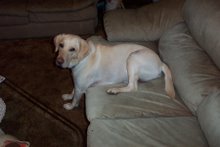
This is the Life.

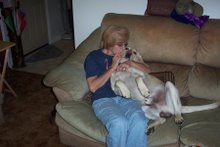
Just relaxing with bubby.
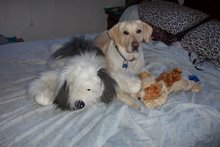
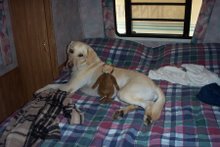
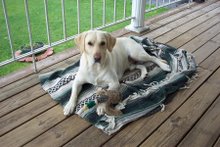
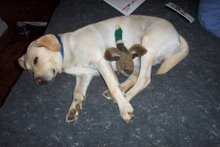
Kallee and Mr. Monkey
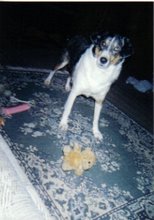
See Mr. Monkey? Wanna play?
Miss Cool.
I loved to wear my shades.
Showing posts with label prevention. Show all posts
Showing posts with label prevention. Show all posts
Thursday, December 20, 2007


Tuesday, August 14, 2007
Is your dog an escape artist?
Dogs that generally try to escape from their property are usually
those that have not been trained or are bored. Boredom is most often the case, and giving your dog suitable stimulation to ensure that he/she remains contented on the property can prevent this. This can be as simple as leaving toys for your dog to play with, fresh water and a suitable place to sleep, shelter from the weather, and anything else that the dog might need while you aren't in attendance. Obviously a big fence and a locked gate will go a long way to deter your dog from escaping. Consider the alternative of trying to catch your dog once it has escaped, and the damage that can be done, should it run out in front of a cyclist or a car. Prevention is always best. Giving your dog regular exercise will also reduce the likelihood of it wanting to escape. Even the fact that the dog knows it will be getting exercise when you arrive home will eliminate much of the possibility of having it escape during the time when you're away. If your dog gets this exercise before you go out you are less likely to have problems because it is more likely to sleep after having exercised.
those that have not been trained or are bored. Boredom is most often the case, and giving your dog suitable stimulation to ensure that he/she remains contented on the property can prevent this. This can be as simple as leaving toys for your dog to play with, fresh water and a suitable place to sleep, shelter from the weather, and anything else that the dog might need while you aren't in attendance. Obviously a big fence and a locked gate will go a long way to deter your dog from escaping. Consider the alternative of trying to catch your dog once it has escaped, and the damage that can be done, should it run out in front of a cyclist or a car. Prevention is always best. Giving your dog regular exercise will also reduce the likelihood of it wanting to escape. Even the fact that the dog knows it will be getting exercise when you arrive home will eliminate much of the possibility of having it escape during the time when you're away. If your dog gets this exercise before you go out you are less likely to have problems because it is more likely to sleep after having exercised.
Subscribe to:
Posts (Atom)