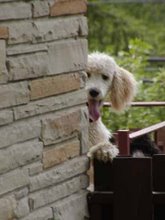
ASHLAND -- The scheduled visit of Boo Boo, the world's smallest dog, to the Boyd County Public Library has been postponed. Boo Boo and her owner Lana Elswick, of Raceland, Ky., were scheduled to visit Saturday, Jan. 26, but had to rescheduled because of an appearance on today's edition of "The Today Show."
Boo Boo, a four-inch, one-pound and five-ounce Chihuahua, received her "smallest" designation from the Guinness Book of World Records this past fall. The visit to the library will be rescheduled but a date hasn't been set. On a personal note, I saw this little dog in person last summer in KY.
We had stopped at a gas station off the interstate and pulled into the station, stopped at the pumps and shut the vehicle off. I looked over to my right and sitting on the dashboard of this nice Chevy truck, sat this long-haired chihuahua, so darn cute. If it wasn't the world's smallest, it sure came in very, very close second.
source: The Herald-Dispatch.
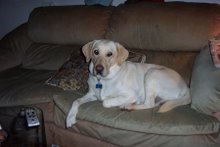
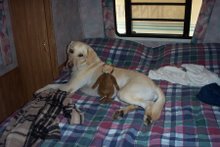
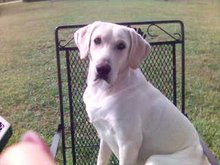
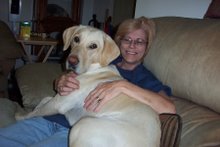
Kallee and Tamara
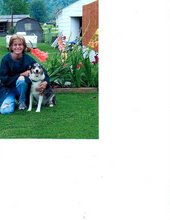
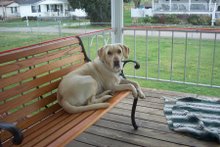
A Beautiful Summer Day.
Madam Kallee, CTD, CGC - 1994-2005 - Certified Therapy Dog and a Canine Good Citizen
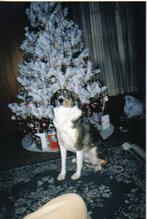
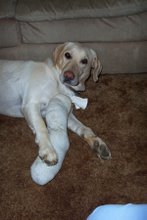
I am so pretty!
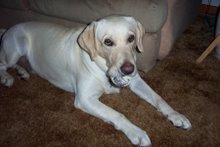
Kallee, T.D.I., CGC - Certified Therapy Dog and a Canine Good Citizen - 1994-2005

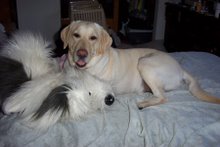
I loved to pose for the camera.
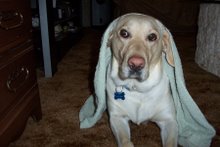
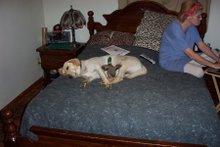
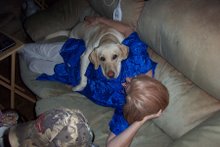
Hat Girl.

The things I do for my mom!
Happiness.

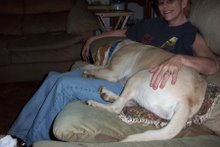
Bubby knows how to scratch a tummy.
Best of Friends.

Mine! No, Mine!, No Mine!!!
Whew !

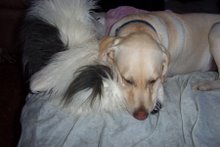
Bubby wears me out!
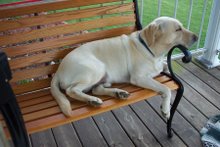
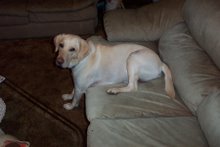
This is the Life.

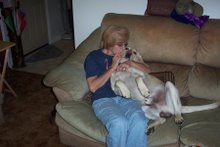
Just relaxing with bubby.
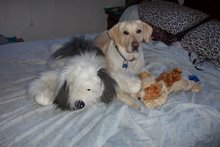
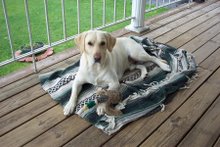
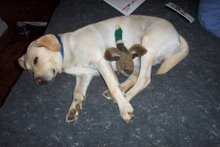
Kallee and Mr. Monkey
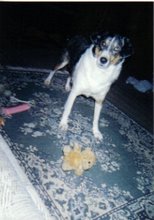
See Mr. Monkey? Wanna play?
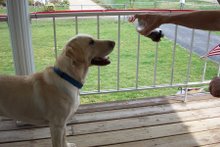
Miss Cool.
I loved to wear my shades.
Friday, January 25, 2008


Monday, January 14, 2008
Deputy, Service Dog Honored During Emotional Memorial Service.
I just felt compelled to cut/paste this story. I am a former member of the Herald Dispatch Editorial Board in Huntington, WV.
Herald-Dispatch.com
PINEVILLE, Ky. — Sean Pursifull had a simple answer when faced with a challenge on the job as a deputy sheriff in rural southeastern Kentucky: “let’s go.” Often, the Bell County deputy Pursifull was joined by his K-9 service dog King. The two became popular figures at local schools, educating students about the dangers of drug use and making 69 arrests during their three years together. On Sunday the two were laid to rest side-by-side at Fuson Family Cemetery following an emotional service at Bell County High, as hundreds of mourners — many of them fellow law enforcement officers — paid their final respects.
Pursifull and King were killed early Thursday morning when their parked cruiser was struck by a car driven by David Poppiti, 17. Poppiti and Eric Gerren, 16, were trying to elude police after a gas station drive-off. They have been charged with murder and assault of a service animal. The teens pleaded not guilty during their closed arraignment in district court Friday according to head public defender for Bell County Linda West.
Over 900 people packed the high school during the service, hundreds of them law enforcement officials from the tri-state area. A sea of uniform hats filled the gymnasium, while the funeral procession was packed with law-enforcement vehicles.
Herald-Dispatch.com
PINEVILLE, Ky. — Sean Pursifull had a simple answer when faced with a challenge on the job as a deputy sheriff in rural southeastern Kentucky: “let’s go.” Often, the Bell County deputy Pursifull was joined by his K-9 service dog King. The two became popular figures at local schools, educating students about the dangers of drug use and making 69 arrests during their three years together. On Sunday the two were laid to rest side-by-side at Fuson Family Cemetery following an emotional service at Bell County High, as hundreds of mourners — many of them fellow law enforcement officers — paid their final respects.
Pursifull and King were killed early Thursday morning when their parked cruiser was struck by a car driven by David Poppiti, 17. Poppiti and Eric Gerren, 16, were trying to elude police after a gas station drive-off. They have been charged with murder and assault of a service animal. The teens pleaded not guilty during their closed arraignment in district court Friday according to head public defender for Bell County Linda West.
Over 900 people packed the high school during the service, hundreds of them law enforcement officials from the tri-state area. A sea of uniform hats filled the gymnasium, while the funeral procession was packed with law-enforcement vehicles.
Saturday, December 29, 2007
Pet Cemeteries.
On May 15th of 2005, my soul-mate, Kallee, passed away in her sleep. She and I had been together for 13 yrs. She died on a Sunday. The man I had been with for close to 15 yrs. was kind enough to let me bury her on his farm. My husband now, went with me to dig her grave and bury her. As I sat with her body, wrapped in her favorite blanket, I looked around. She was being buried along with many other animals that had belonged to his family.
Like me, his family, and him, loved animals and wanted to bury them with dignity and in a familiar surrounding. When I became a member of his family, we purchased a beautiful Rottweiler named Cratty's Von Maxwell, or Max for short. Max was not my first dog, however. My parents loved Dalmations and I grew up with 3 of them.
The female, my father named Taryton, after the cigarette, because she had a black patch over one eye, died in 1982. Kenny,(my ex), buried her in the backyard of his mother's house. In 1983, we purchased Max. Helen, (my mother-in law), deeded the property where she grew up, on Homestead Rd., across from the Jenkins Plantation, in the Powell Wetlands on Rt. 2, Lesage, WV, to Kenny.
Max was diagnosed with bladder cancer and had to be euthenized in 1992. He became the first member of the cemetery. In this private cemetery, there is a Llama, 2 pygmy goats, a miniature horse, another Rottie, named Ralph, and a mix called Mikey. Kallee was the last to be buried there. Burying an animal on your property, as far as I am concerned, is the ultimate last show of love.
Pet cemeteries that offer burial or cremation services are a fabulous idea. This gives people that don't have the property to bury their beloved pet on, a means of showing that last bit of love and respect to their pets. I know many people feel that animals don't need a funeral. To those people I say, "you obviously have never owned a pet. Because if you had, you would not feel that way."
Like me, his family, and him, loved animals and wanted to bury them with dignity and in a familiar surrounding. When I became a member of his family, we purchased a beautiful Rottweiler named Cratty's Von Maxwell, or Max for short. Max was not my first dog, however. My parents loved Dalmations and I grew up with 3 of them.
The female, my father named Taryton, after the cigarette, because she had a black patch over one eye, died in 1982. Kenny,(my ex), buried her in the backyard of his mother's house. In 1983, we purchased Max. Helen, (my mother-in law), deeded the property where she grew up, on Homestead Rd., across from the Jenkins Plantation, in the Powell Wetlands on Rt. 2, Lesage, WV, to Kenny.
Max was diagnosed with bladder cancer and had to be euthenized in 1992. He became the first member of the cemetery. In this private cemetery, there is a Llama, 2 pygmy goats, a miniature horse, another Rottie, named Ralph, and a mix called Mikey. Kallee was the last to be buried there. Burying an animal on your property, as far as I am concerned, is the ultimate last show of love.
Pet cemeteries that offer burial or cremation services are a fabulous idea. This gives people that don't have the property to bury their beloved pet on, a means of showing that last bit of love and respect to their pets. I know many people feel that animals don't need a funeral. To those people I say, "you obviously have never owned a pet. Because if you had, you would not feel that way."
Friday, December 21, 2007
Slain Marine's Dog Adopted By His Family.
ALBANY, Ga. (AP) — A military working dog wounded in Iraq during a rocket attack that killed its Marine handler was adopted Friday by the slain Marine’s family. The adoption of Lex, an 8-year-old German Shepherd, by the family of fallen Marine Cpl. Dustin Lee marked the first time the U.S. military has granted early retirement to a working dog so it could live with a former handler’s family, officials said.
“Nobody can do anything to replace the void in this family,” said Col. Christian Haliday, commander of the Marine Corps Logistics Base in Albany, where Lee and Lex were assigned. “We hope Lex can bring a small piece of his spirit and help maintain his memory.” On hand for the ceremony at the base were the Marine’s parents, Jerome and Rachael Lee, his sister, Mattie, 16, and brother, Cameron, 12, of Quitman, Miss.
“It’s not going to bring back my brother, but it’s something close to it,” said Mattie Lee as she played with Lex after the ceremony. Lee’s family planned to take the bomb-sniffing dog home on Saturday. Military officials initially told the family that Lex had another two years of service before he could be adopted.
But the family lobbied for months — even enlisting the aid of a North Carolina congressman — and the adoption came exactly nine months after the 20-year-old Marine was killed and his dog wounded on March 21 in Iraq’s Anbar Province. 2nd Lt. Caleb Eames, spokesman for the Albany base, said Lee and Lex were sitting outside at a forward operating base in Karmah when they were hit by shrapnel from a 73mm rocket explosion.
“A part of Dustin is in Lex,” said the fallen Marine’s father. “To have Lex at home is a part of having Dustin at home.” Rachael Lee said she believes her son’s spirit will live on through the dog because of their close bond and because they were together during the final moments of her son’s life. “It was blood on blood,” she said. “We can’t get Dustin back, but we have Lex.”
While Marines tried to treat Lee’s wounds, another dog handler was sent to take Lex for treatment, said Staff Sgt. Dana Brown, the regional kennel master for the pair in Iraq. “Lex, from my understanding, was kind of laying on him or near him, protecting him,” Brown said in an interview from the Quantico Marine Base in Virginia. “He just didn’t want to leave him. He knew he belonged there and something was wrong.
Even though he was hurting, he knew he was supposed to stay by his handler.” Brown flew back with Lex to Camp Lejeune, N.C., where the dog’s wounds were treated and she accompanied Lex to Lee’s funeral in April. After 12 weeks of treatment for shrapnel wounds in the shoulder and back, Lex was declared fit for duty and returned to his permanent home at the Albany base.
Brown said Lee and Lex stood out among more than 40 bomb-sniffing dog teams under her supervision, and they performed so well she chose them and one other team to be embedded full-time with specialized units — a Marine reconnaissance unit in Lee’s case. It was Lex’s second tour in Iraq, the first with another handler. “He was cocky,” Brown said of Lee. “He knew he was good and he and his dog were unstoppable.”
Lee joined the Marines after graduating from high school in 2004. His father said his desire to become a dog handler came from the Marine’s mother, who worked with search-and-rescue dogs when Lee was a boy. After completing military police and dog handler training, Lee was assigned to the Albany base in southwestern Georgia. He adopted his first partner, Doenja, and sent him home to Mississippi last year when that 11-year-old dog began losing his sight and had to retire. “Lex is in wonderful shape,” said Eames. “He’s fully operational. His most important mission now is making this wonderful family very happy.”
“Nobody can do anything to replace the void in this family,” said Col. Christian Haliday, commander of the Marine Corps Logistics Base in Albany, where Lee and Lex were assigned. “We hope Lex can bring a small piece of his spirit and help maintain his memory.” On hand for the ceremony at the base were the Marine’s parents, Jerome and Rachael Lee, his sister, Mattie, 16, and brother, Cameron, 12, of Quitman, Miss.
“It’s not going to bring back my brother, but it’s something close to it,” said Mattie Lee as she played with Lex after the ceremony. Lee’s family planned to take the bomb-sniffing dog home on Saturday. Military officials initially told the family that Lex had another two years of service before he could be adopted.
But the family lobbied for months — even enlisting the aid of a North Carolina congressman — and the adoption came exactly nine months after the 20-year-old Marine was killed and his dog wounded on March 21 in Iraq’s Anbar Province. 2nd Lt. Caleb Eames, spokesman for the Albany base, said Lee and Lex were sitting outside at a forward operating base in Karmah when they were hit by shrapnel from a 73mm rocket explosion.
“A part of Dustin is in Lex,” said the fallen Marine’s father. “To have Lex at home is a part of having Dustin at home.” Rachael Lee said she believes her son’s spirit will live on through the dog because of their close bond and because they were together during the final moments of her son’s life. “It was blood on blood,” she said. “We can’t get Dustin back, but we have Lex.”
While Marines tried to treat Lee’s wounds, another dog handler was sent to take Lex for treatment, said Staff Sgt. Dana Brown, the regional kennel master for the pair in Iraq. “Lex, from my understanding, was kind of laying on him or near him, protecting him,” Brown said in an interview from the Quantico Marine Base in Virginia. “He just didn’t want to leave him. He knew he belonged there and something was wrong.
Even though he was hurting, he knew he was supposed to stay by his handler.” Brown flew back with Lex to Camp Lejeune, N.C., where the dog’s wounds were treated and she accompanied Lex to Lee’s funeral in April. After 12 weeks of treatment for shrapnel wounds in the shoulder and back, Lex was declared fit for duty and returned to his permanent home at the Albany base.
Brown said Lee and Lex stood out among more than 40 bomb-sniffing dog teams under her supervision, and they performed so well she chose them and one other team to be embedded full-time with specialized units — a Marine reconnaissance unit in Lee’s case. It was Lex’s second tour in Iraq, the first with another handler. “He was cocky,” Brown said of Lee. “He knew he was good and he and his dog were unstoppable.”
Lee joined the Marines after graduating from high school in 2004. His father said his desire to become a dog handler came from the Marine’s mother, who worked with search-and-rescue dogs when Lee was a boy. After completing military police and dog handler training, Lee was assigned to the Albany base in southwestern Georgia. He adopted his first partner, Doenja, and sent him home to Mississippi last year when that 11-year-old dog began losing his sight and had to retire. “Lex is in wonderful shape,” said Eames. “He’s fully operational. His most important mission now is making this wonderful family very happy.”
Rosie And Alex: A True Love Story.
MELBOURNE, Ark. — This Christmas, 5-year-old Alex Bennett has a new best friend. She plays with him, sleeps with him, calms him down when he becomes frustrated, protects him from danger and will soon be going to school with him, too. Rosie, the newest member of the Bennett household, is part lab, part retriever and, according to Alex’s mother Mandi Bennett, “all heart.”
Rosie is a service dog, specifically trained to work with autistic children. And she takes her job seriously. “Rosie is not quite a year old yet but she’s had extensive training,” Bennett said. “She went through her obedience training at a women’s prison and then she was trained to work with autistic children at an organization called 4 Paws for Ability.” The Ohio-based group trains service dogs to help children with disabilities and their families. Alex was diagnosed with autism in July 2006 and it was Mandi’s mother, Donna Adams, who first found out about service dogs.
“I was doing some research on autism on the Internet and I came across this Web site,” Adams explained. “4 Paws for Ability deals only with service dogs, not seeing-eye dogs. They train dogs in autism assistance, mobility assistance and seizure assistance as well as hearing and multipurpose assistance. “These dogs are just incredible,” she continued. “Some of them are trained to open the fridge, get clothes out of the dryer or even pick up the phone.” Others, like Rosie, are trained to help with the day-to-day problems that a child like Alex faces.
“I knew this would be an answer to our prayers,” Bennett said. “But there was no way I could afford a dog like that.” The price for a service dog can run anywhere from $10,000 to $15,000. “That’s when the community stepped in,” Adams said. “I can’t tell you just how grateful we are to everyone who helped make this possible for Alex. “People have been wonderful,” she continued. “They set up donation accounts at the bank and held benefit gospel concerts at the church. “Then we started getting letters and cards in the mail with money in them,” Bennett said.
“People would send $5, or $10, just because they’d heard about Alex and wanted to help. “I can’t put into words how that made us feel,” she added. The Mill Creek Coffee House in Melbourne even put some of Bennett’s handmade jewelry on display for sale. “We raised almost $500 that way,” she said. “This whole town has been great.” In November, the family was finally able to travel to Xenia, Ohio, to pick up Rosie. They participated in training and tracking exercises every day for two weeks.
“The biggest worry for me is the safety issue,” Bennett said. “Alex loves to run and play but he has no concept of the road or the cars speeding by. “I’ve always been afraid he is going to get outside and end up hurt or lost,” she added with a sigh. But now, thanks to Rosie, some of that worry has been lifted. “During the tracking exercises in Ohio she (Rosie) found him 100 percent of the time,” Bennett said proudly. “She found him in the woods, in the snow and even in a crowded mall.
“When Rosie wears the special harness and Alex is tethered to her, he actually has more freedom,” she continued. “I don’t have to keep a death grip on him when we go out, or go shopping. If there’s a dangerous situation she will lay down and not move. “If she’s not moving, he’s not moving,” she added. “You have no idea what a relief that is for me.” The exact cause for autism remains a mystery, although symptoms can easily be detected during childhood. The word autism comes from the Greek word meaning “self.”
It’s a fitting name for a disease that causes problems in areas of development such as verbal communication and social interactions. Those with the ailment will not socialize with others, tend to avoid eye contact and seem to retreat into their own private world. In some situations, autistic children like Alex will develop repetitive routines or even exhibit uncontrolled behavior in the form of yelling or crying. That is another area that Rosie helps out in. She has been trained to provide behavior disruption and pressure therapy.
“Because Alex doesn’t speak he tends to get easily frustrated,” Bennett said. “So when he starts to get really agitated, Rosie will go nuzzle him or she will lay her head and paw in his lap to calm him down. “It provides a distraction and stops the behavior,” she said. Bennett and Adams agree the best part of the whole experience for them has been watching Alex and Rosie bond. “He just loves her — there’s no other way to say it,” Bennett said. “It’s something to see him come out of that shell and to smile. ... He even started saying ’Mama’ again,” she added softly. Alex attends preschool at the Child and Youth Pediatric Day Clinic in Batesville, and pretty soon Rosie will be enrolling, too.
“We just want to give her a little time to adjust to her new home first,” Bennett said. “He’ll graduate in May and then he’ll be ready to go to kindergarten at a public school” she continued. “That is what really terrifies me and I know it will be scary for him, too. “But this gives me some measure of peace about the situation,” she added, rubbing Rosie’s ears. “Nothing is as scary when you have your best friend with you.”
Rosie is a service dog, specifically trained to work with autistic children. And she takes her job seriously. “Rosie is not quite a year old yet but she’s had extensive training,” Bennett said. “She went through her obedience training at a women’s prison and then she was trained to work with autistic children at an organization called 4 Paws for Ability.” The Ohio-based group trains service dogs to help children with disabilities and their families. Alex was diagnosed with autism in July 2006 and it was Mandi’s mother, Donna Adams, who first found out about service dogs.
“I was doing some research on autism on the Internet and I came across this Web site,” Adams explained. “4 Paws for Ability deals only with service dogs, not seeing-eye dogs. They train dogs in autism assistance, mobility assistance and seizure assistance as well as hearing and multipurpose assistance. “These dogs are just incredible,” she continued. “Some of them are trained to open the fridge, get clothes out of the dryer or even pick up the phone.” Others, like Rosie, are trained to help with the day-to-day problems that a child like Alex faces.
“I knew this would be an answer to our prayers,” Bennett said. “But there was no way I could afford a dog like that.” The price for a service dog can run anywhere from $10,000 to $15,000. “That’s when the community stepped in,” Adams said. “I can’t tell you just how grateful we are to everyone who helped make this possible for Alex. “People have been wonderful,” she continued. “They set up donation accounts at the bank and held benefit gospel concerts at the church. “Then we started getting letters and cards in the mail with money in them,” Bennett said.
“People would send $5, or $10, just because they’d heard about Alex and wanted to help. “I can’t put into words how that made us feel,” she added. The Mill Creek Coffee House in Melbourne even put some of Bennett’s handmade jewelry on display for sale. “We raised almost $500 that way,” she said. “This whole town has been great.” In November, the family was finally able to travel to Xenia, Ohio, to pick up Rosie. They participated in training and tracking exercises every day for two weeks.
“The biggest worry for me is the safety issue,” Bennett said. “Alex loves to run and play but he has no concept of the road or the cars speeding by. “I’ve always been afraid he is going to get outside and end up hurt or lost,” she added with a sigh. But now, thanks to Rosie, some of that worry has been lifted. “During the tracking exercises in Ohio she (Rosie) found him 100 percent of the time,” Bennett said proudly. “She found him in the woods, in the snow and even in a crowded mall.
“When Rosie wears the special harness and Alex is tethered to her, he actually has more freedom,” she continued. “I don’t have to keep a death grip on him when we go out, or go shopping. If there’s a dangerous situation she will lay down and not move. “If she’s not moving, he’s not moving,” she added. “You have no idea what a relief that is for me.” The exact cause for autism remains a mystery, although symptoms can easily be detected during childhood. The word autism comes from the Greek word meaning “self.”
It’s a fitting name for a disease that causes problems in areas of development such as verbal communication and social interactions. Those with the ailment will not socialize with others, tend to avoid eye contact and seem to retreat into their own private world. In some situations, autistic children like Alex will develop repetitive routines or even exhibit uncontrolled behavior in the form of yelling or crying. That is another area that Rosie helps out in. She has been trained to provide behavior disruption and pressure therapy.
“Because Alex doesn’t speak he tends to get easily frustrated,” Bennett said. “So when he starts to get really agitated, Rosie will go nuzzle him or she will lay her head and paw in his lap to calm him down. “It provides a distraction and stops the behavior,” she said. Bennett and Adams agree the best part of the whole experience for them has been watching Alex and Rosie bond. “He just loves her — there’s no other way to say it,” Bennett said. “It’s something to see him come out of that shell and to smile. ... He even started saying ’Mama’ again,” she added softly. Alex attends preschool at the Child and Youth Pediatric Day Clinic in Batesville, and pretty soon Rosie will be enrolling, too.
“We just want to give her a little time to adjust to her new home first,” Bennett said. “He’ll graduate in May and then he’ll be ready to go to kindergarten at a public school” she continued. “That is what really terrifies me and I know it will be scary for him, too. “But this gives me some measure of peace about the situation,” she added, rubbing Rosie’s ears. “Nothing is as scary when you have your best friend with you.”
Thursday, December 20, 2007
QUESTION: How Much Cold Weather Is Too Much For A Dog?
The answer is different for each dog but in general cold weather should bring about extra caution in all dog owners. Here are some general guidelines to consider if you live in snowy & icy climates:
Jagged ice, frozen plant stems, and sidewalk salt are sharp and can cut your dog's footpads. Snow can also collect on the hair between the pads, sometimes forming icy balls that cause pain and injury. Trimming the long hair from the bottoms of the feet may help prevent this. Always check your dog's feet after he's been out in snow. Thoroughly wipe off your dog's legs and stomach when he comes in from out of the sleet, snow or ice.
He can ingest salt, antifreeze or other potentially dangerous chemicals while licking his paws. Avoid letting your dog off the leash on snow or ice, especially during a snowstorm, dogs can lose their scent and easily become lost. More dogs are lost during the winter than during any other season, so make sure yours always wears ID tags. Even in more moderate climate zones, keep the following in mind: Be particularly gentle with elderly and arthritic pets as cold weather can leave their joints extremely stiff and tender.
Stay directly below these pets when they are climbing stairs or jumping onto furniture and consider modifying their environment to make it easier for them to get around. Never leave your dog alone in a car during the winter. It can act as a refrigerator, holding in the cold and causing the animal to freeze to death. Keep in mind that a regular outside dog in cold weather will need a quarter to a third more food than he needs in warm weather in order to generate enough body heat.
Adjust their meals accordingly. Go ahead and put that sweater on Princess, if she'll put up with it. It will help a little, but where pets lose most of their body heat is from the pads of their feet, their ears, and their respiratory tract.
Jagged ice, frozen plant stems, and sidewalk salt are sharp and can cut your dog's footpads. Snow can also collect on the hair between the pads, sometimes forming icy balls that cause pain and injury. Trimming the long hair from the bottoms of the feet may help prevent this. Always check your dog's feet after he's been out in snow. Thoroughly wipe off your dog's legs and stomach when he comes in from out of the sleet, snow or ice.
He can ingest salt, antifreeze or other potentially dangerous chemicals while licking his paws. Avoid letting your dog off the leash on snow or ice, especially during a snowstorm, dogs can lose their scent and easily become lost. More dogs are lost during the winter than during any other season, so make sure yours always wears ID tags. Even in more moderate climate zones, keep the following in mind: Be particularly gentle with elderly and arthritic pets as cold weather can leave their joints extremely stiff and tender.
Stay directly below these pets when they are climbing stairs or jumping onto furniture and consider modifying their environment to make it easier for them to get around. Never leave your dog alone in a car during the winter. It can act as a refrigerator, holding in the cold and causing the animal to freeze to death. Keep in mind that a regular outside dog in cold weather will need a quarter to a third more food than he needs in warm weather in order to generate enough body heat.
Adjust their meals accordingly. Go ahead and put that sweater on Princess, if she'll put up with it. It will help a little, but where pets lose most of their body heat is from the pads of their feet, their ears, and their respiratory tract.
Sunday, December 16, 2007
Pets Visit Santa At Mall In Barboursville, WV.
On Sunday, Dec. 16, '07, Santa had his picture taken with some local dogs at the Huntington Mall, in Barboursville, WV. The jolly old elf’s early morning workout was for a good cause — it was the mall’s pet photo day with Santa from 9 to 11 a.m. Many pets and their humans braved the cold and gusty winds for this great treat and a good time. Andy Wilson of Reflections said this was the second pet photo day they’ve had at the mall this season.
Wilson, who also snapped a photo of his hounds Wiggles, Rocky and Cali, said it was good to be out at the mall with so many happy pet owners and pets. The Wilsons have had a rough week. The family had put down two of its sick and aging pets, Whiskers, a 20-year-old cat, and Zoie, a 15-year-old German Shepherd.
This event happens each year. My condolences to the Wilson's for the very hard, but responsible decision to end their aged pets pain. Merry Christmas to everyone and a very happy New Year.
Wilson, who also snapped a photo of his hounds Wiggles, Rocky and Cali, said it was good to be out at the mall with so many happy pet owners and pets. The Wilsons have had a rough week. The family had put down two of its sick and aging pets, Whiskers, a 20-year-old cat, and Zoie, a 15-year-old German Shepherd.
This event happens each year. My condolences to the Wilson's for the very hard, but responsible decision to end their aged pets pain. Merry Christmas to everyone and a very happy New Year.
Subscribe to:
Posts (Atom)